Backlinks, or inbound links, play an essential role in any organic search strategy (off-page SEO). They act as “votes of confidence” for your site in the eyes of search engines such as Google, strengthening your domain authority, your web popularity and your Google rankings.
But to get the most out of them, it is crucial to understand how they work, how they affect SEO, and the best practices for earning them.
What is a backlink and why is it important?
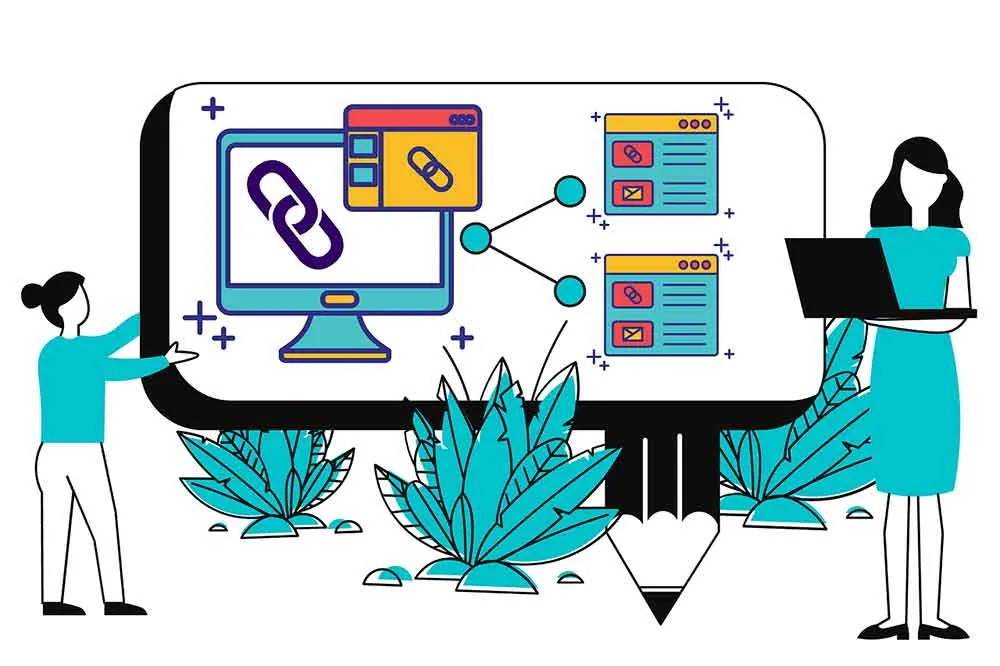
A backlink is an external inbound link pointing to your site from another domain. These inbound links tell search engines that your content is relevant and useful enough to be shared. However, not all backlinks are equal: quality backlinks are those that come from websites with a strong domain authority and a theme relevant to your content.
Benefits of backlinks:
- Better Google rankings:
Search engines treat backlinks as a trust factor in their algorithms.
- Greater web popularity:
The more relevant backlinks your site receives, the more trust and popularity it gains with your audience.
- A stronger online reputation:
SEO backlinks from influential websites strengthen your credibility with users and brands.
- Link juice transfer:
Dofollow backlinks pass on part of the source site’s authority to your site, improving your metrics such as Trust Flow and Citation Flow.
Types of backlinks: follow, nofollow and more
There are several types of backlinks to know about for an effective backlinking strategy:
Dofollow backlinks
These links pass on link juice and strengthen your SEO authority. Example: a backlink from a relevant blog post.
Nofollow backlinks
These links don’t directly affect your SEO, but they can generate traffic and diversify your link profile.
Internal backlinks
Links connecting different pages of your own site, useful for internal linking.
Outbound links
Links pointing from your site to other domains, often used to support a piece of information or to build relationships between brands.
Toxic backlinks
Coming from low-quality or irrelevant websites, they can lead to SEO penalties through Google algorithms such as Google Penguin.
Backlink acquisition strategies
Organic backlinks
Natural backlinking relies on creating quality content that encourages other sites to link to you unprompted. In other words, it is free link acquisition. For example:
- Publish resources such as detailed guides or original studies to help your audience understand a subject better.
- Create engaging infographics.
- Write expert articles on sought-after topics that give simple, concrete answers.
Link building techniques
Link building techniques are essential for a high-performing SEO strategy. Here are a few proven methods:
- Guest blogging: write articles for other websites in exchange for a simple link back.
- Link exchanges: work with other sites to share relevant backlinks.
- Link baiting: create content so attractive that it spontaneously attracts backlinks.
- Use forums: take part in discussions on relevant forums to place backlinks in useful answers.
- Networking: build relationships with site owners or influential bloggers to earn external backlinks.
Earning backlinks with SEO tools
Tools such as Majestic SEO, Ahrefs, Semrush and Moz help you identify backlink opportunities:
- Backlink checker: check the links pointing to your site and to your competitors’.
- Link explorer: look for domains with relevant backlink potential.
- Backlink monitoring: with tools such as Google Search Console or Linkody, track your backlinks in real time.
Quality vs quantity: what really matters in a link strategy
The focus must be on quality SEO backlinks, because bad backlinks can harm your SEO performance. Here are the criteria to know to identify a relevant backlink:
Domain authority
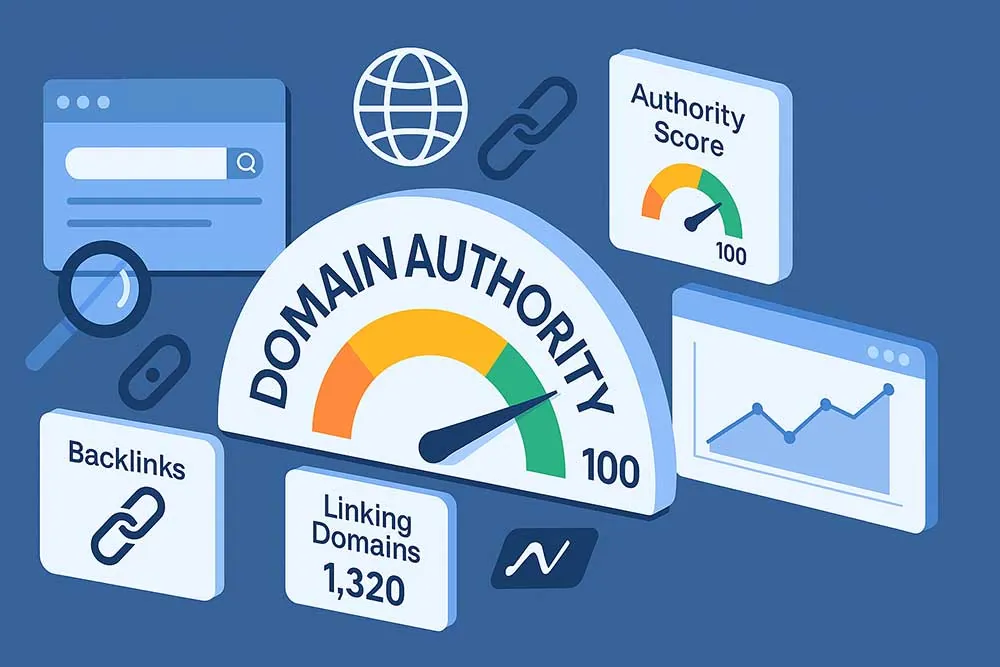
An inbound link from a site with a high Domain Authority (DA) has a bigger impact.
Topical relevance of the link
The source site must have content related to your business. This helps you gain Trust Flow.
Optimised anchor text
The link’s anchor text must be varied and include relevant keywords, but avoid over-optimisation.
Organic backlinks
Earn links naturally, without resorting to black hat SEO practices, which can lead to penalties.
Analysing and tracking backlinks
An effective backlink strategy needs constant monitoring to optimise your link profile and avoid toxic backlinks. Here are the recommended tools:
- Ahrefs:
Complete backlink analysis with metrics such as Trust Flow and Citation Flow.
- Semrush:
Detailed reports on your backlinks and your competitors’.
- Moz Open Site Explorer:
Ideal for exploring your inbound links and assessing their quality.
- Majestic SEO:
Measure the popularity and authority of domains precisely.
- Google Search Console:
A free tool to monitor your backlinks and disavow toxic links.
Cleaning up and disavowing toxic backlinks
Toxic backlinks can seriously harm your SEO. Follow these steps to deal with them effectively:
- Identify toxic backlinks: with tools such as CognitiveSEO or Backlink Watch, locate the harmful links.
- Disavow the links: create a disavow file to submit in Google Search Console.
- Clean up your link profile: contact webmasters to ask for the unwanted links to be removed.
Optimisation and impact of backlinks on SEO
Backlinks must be built into an overall SEO strategy to maximise their impact. Here are some key points in detail:
On-page and off-page optimisation
An effective backlink strategy rests on a balance between internal and external optimisation:
- On-page: make sure your meta tags, titles and descriptions are optimised. Create quality content that naturally encourages other sites to link to you.
- Off-page: develop a network of relevant backlinks from sites with a strong Domain Authority.
- Combine these efforts to maximise the effectiveness of inbound links and improve your web popularity.
Faster Google indexing
Backlinks help Google discover and index your new pages faster:
- External backlinks from sites that robots crawl regularly speed up indexing and SEO performance.
- They also let your content be included in search results more quickly, increasing your site’s overall visibility.
Strengthening the site’s popularity and reputation
Backlinks act as digital recommendations:
- The more quality backlinks your site receives, the more its popularity grows, strengthening your image with users and search engines.
- Work with influential brands and sites to build a solid online reputation.
Better SERP rankings
A sufficient number of relevant backlinks directly improves your site’s ranking:
- Quality links: search engines see these links as a mark of credibility.
- A good backlinking strategy will let you outrank your competitors, even with a lower total number of links.
- Natural backlinks optimised with varied anchor texts strengthen your presence in organic search.
Combining links and content marketing
Backlinks and content marketing go hand in hand:
- Regularly publish rich content, such as case studies, guides or tutorials, to attract inbound links naturally.
- Build this content into your overall SEO strategy to maximise its impact on your metrics, such as Trust Flow and Citation Flow.
By building these elements into your strategy, you will tap the full potential of backlinks to boost your SEO performance and reach your online goals.
Measuring the performance of your backlinks
To assess how effective your backlinks are, analyse these metrics:
- Domain Authority (DA) and Page Authority (PA): indicators of domain and page authority.
- Trust Flow and Citation Flow: assess the quality and quantity of links.
- Backlink traffic: analyse how many visitors come from your inbound links.
- Backlink reports: use tools such as Linkody or Google Analytics for detailed reports.
Build a network of quality backlinks
Backlinks are a pillar of off-page SEO and must be managed with care. Adopt a backlinking strategy based on natural, relevant backlinks while monitoring your link profile. With tools such as Ahrefs, Semrush and Majestic SEO, you can analyse, optimise and secure your backlinks to improve your online visibility and your SEO results.
Good link building is the key to earning a prime place in search engine rankings while building strong relationships with other players on the web.